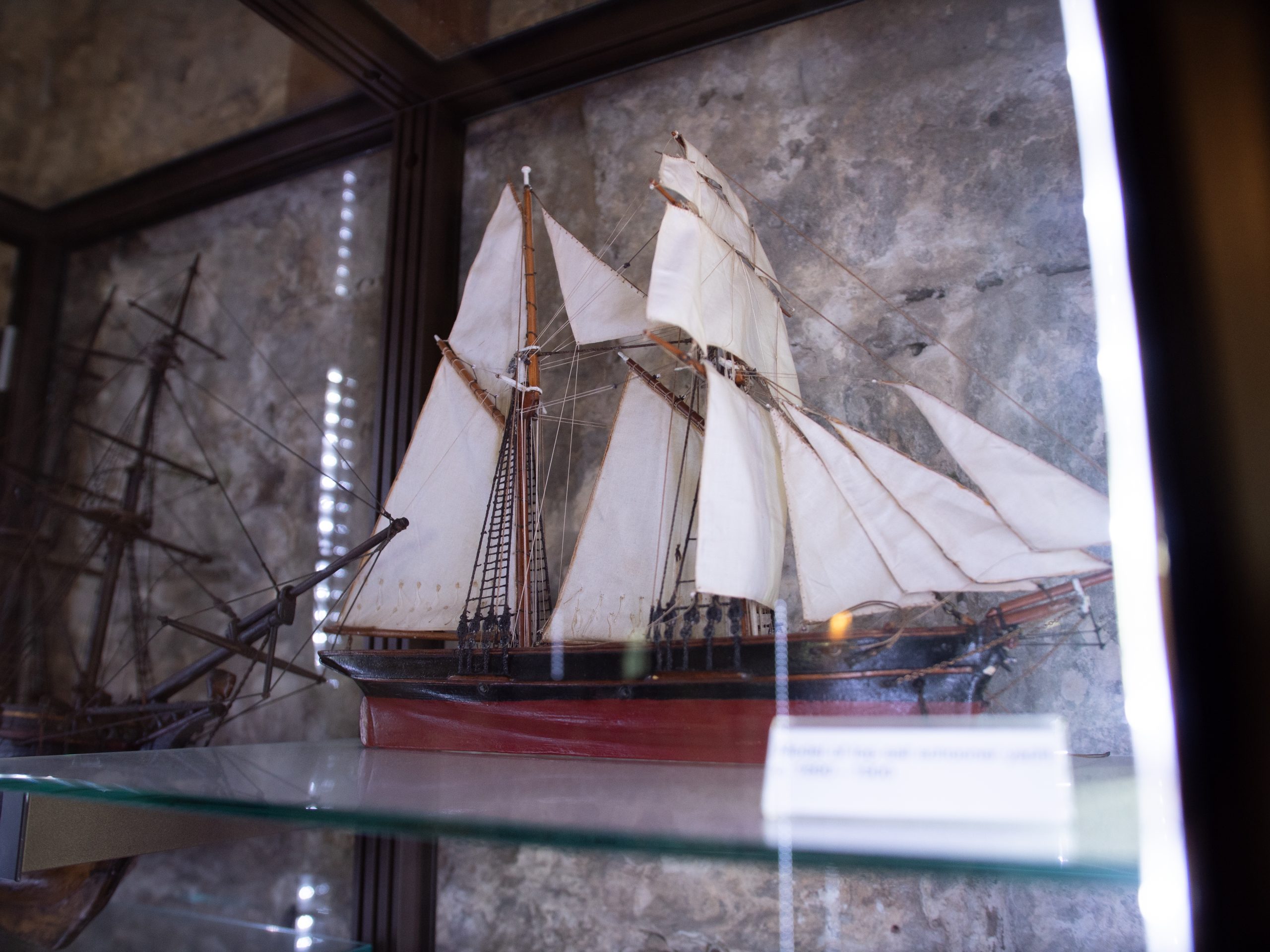
Rye is one of England’s most remarkable medieval towns; a former island rising above the Romney Marshes that grew into a prosperous Cinque Port, weathered French raids, and reinvented itself as a haven for artists, writers, and smugglers alike. Its layered past stretches back over a thousand years and shaped much of the South East coast.


Beyond the town walls, the wider Rye area holds a rich tapestry of stories — from the reclaimed marshlands and ancient fishing communities to the military heritage of the Napoleonic era and the rural trades that sustained generations of local families.
Built around 1249, the Ypres Tower is one of the oldest and best-preserved fortifications in the south of England. It has served as a royal castle, a prison, and a mortuary, and today houses fascinating collections telling the story of Rye through the centuries.

Rye rewards the curious. Wander up to Lamb House, where Henry James once brooded beautifully over his novels and E.F. Benson dreamed up the delicious rivalries of Mapp and Lucia. Then follow the cobbles to St Mary’s Church, climb the tower, and drink in one of the finest views in the South East.
Down at the quay, Rye Heritage Centre will stop you in your tracks with its extraordinary hand-built scale model of the town, brought to life with lights and sound in a way that’s equal parts history lesson and pure magic.
Don’t overlook our East Street Museum either, small, surprising, and the sort of place you enter out of mild curiosity and leave genuinely captivated by the lives of the people who shaped this remarkable town.
Before you set off exploring, it’s well worth picking up the official visitor’s guide to Rye; available to buy online with tickets for Rye Castle & Prison, show your special QR code on your visit to collect it. It’s the perfect companion for getting the very most from every hidden corner of Rye.


Rye was once an island, sitting within a huge bay called the Rye Camber, which allowed safe anchorage for ships. The name “Rye” likely derives from the West Saxon word ieg, meaning island, reflecting a time when the town was entirely surrounded by sea.
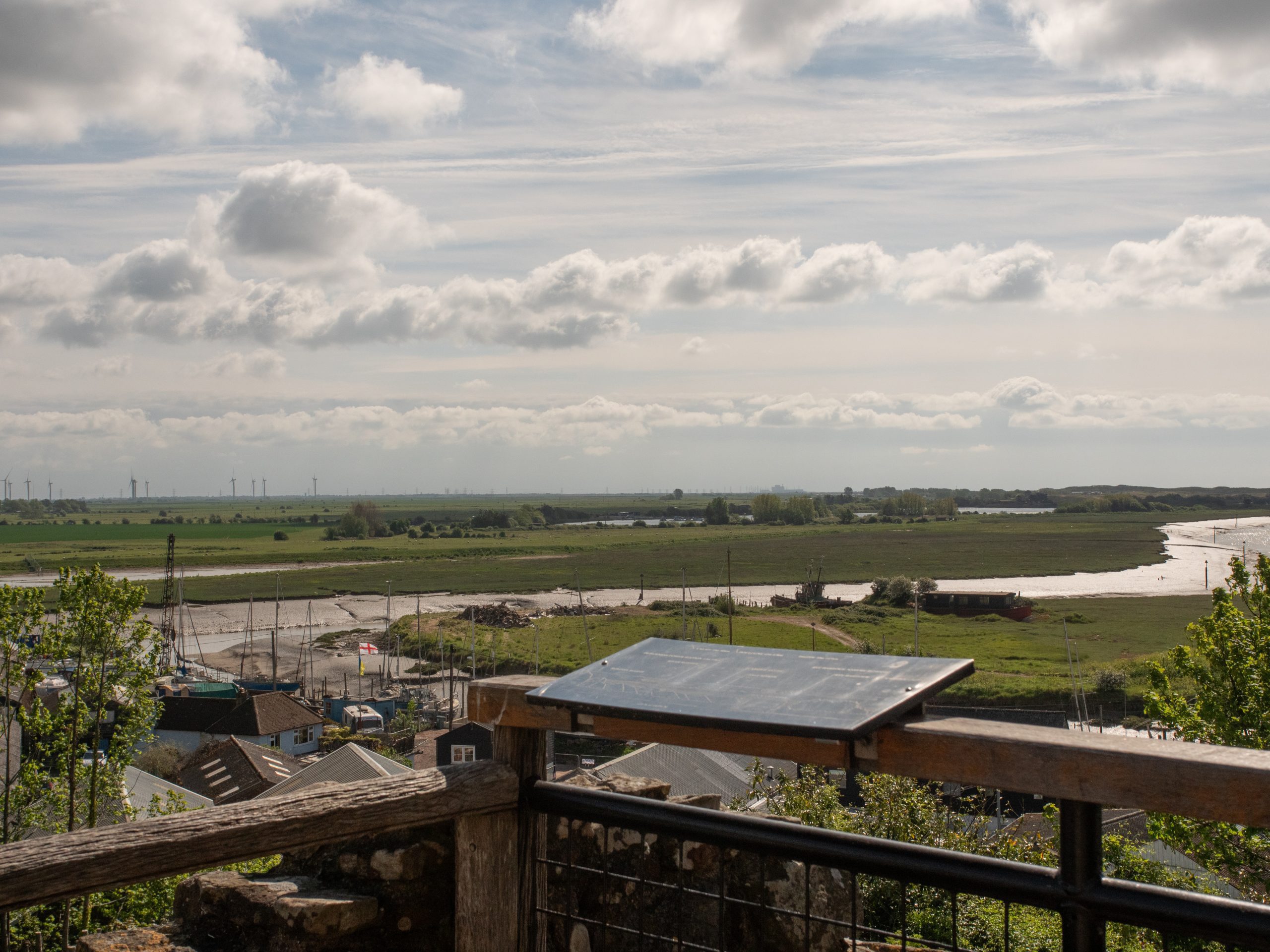
Rye’s position on the south coast, where the English Channel is at its narrowest, made it the frequent first target for invaders from northwest Europe.

Rye was once one of the busiest ports in Britain, but over the centuries the estuary gradually silted up until navigation was no longer possible.

Rye in the 18th century was dubbed the “smuggling capital of England,” where charges were often dropped against smugglers due to corrupt local officials who were paid off or who quietly benefited from the trade.